

Engineers are often advised not to leave some aspect of their design to the end of the design process. While that is certainly sensible advice, it unfortunately often clashes with project realities, as something on the project list must be done later or be last; not everything can be figured into the design early on. WTB BUSINESS INDUSTRIAL GROUP HELPING YOU
Still, what is important is at least to keep those design aspects in mind at the early stages, even if the details cannot be locked down. That is the case with power and signal cabling for robot assemblies and systems. Major mechanical considerations, motor issues, load capacity, precision and repeatability, performance objectives, cost, assembly concerns, and other factors usually have a higher priority during the initial design stages. Perhaps a sign of this is that many of the “glamour” photos of robots don’t show their cable runs, as they might ruin the sleek and futuristic look associated with robots.
Nonetheless, as an engineering mentor taught me many years ago: cable assemblies—wires plus their connectors—are not innocent, passive bystanders in a design. Whether carrying power or signals, they are actually less visible yet still potential sources of electrical and mechanical problems. As such, they must be treated with consideration and respect when designing.
This admonition applies to basic AC- or DC-power cabling all the way up the electromagnetic spectrum to RF and even optical links. It also applies to low-level sensor and control-signal cabling, which is often collocated with the power runs (Figure 1). Further, robot cables have another additional challenge: they must be flexible enough to twist and move, while also able to endure repeated flexing, often in harsh environments. At the same time, these cables must not get in the way, get tangled, or fail. Designing for all of these challenges is a tall order.

Figure 1: The complete cable run for a robotic system includes power wiring for the motors and low-level signals for motor management, sensors, and connectivity, with rugged connectors at both ends of each cable as well. (Source: Arbystudio/stock.adobe.com; generated with AI)
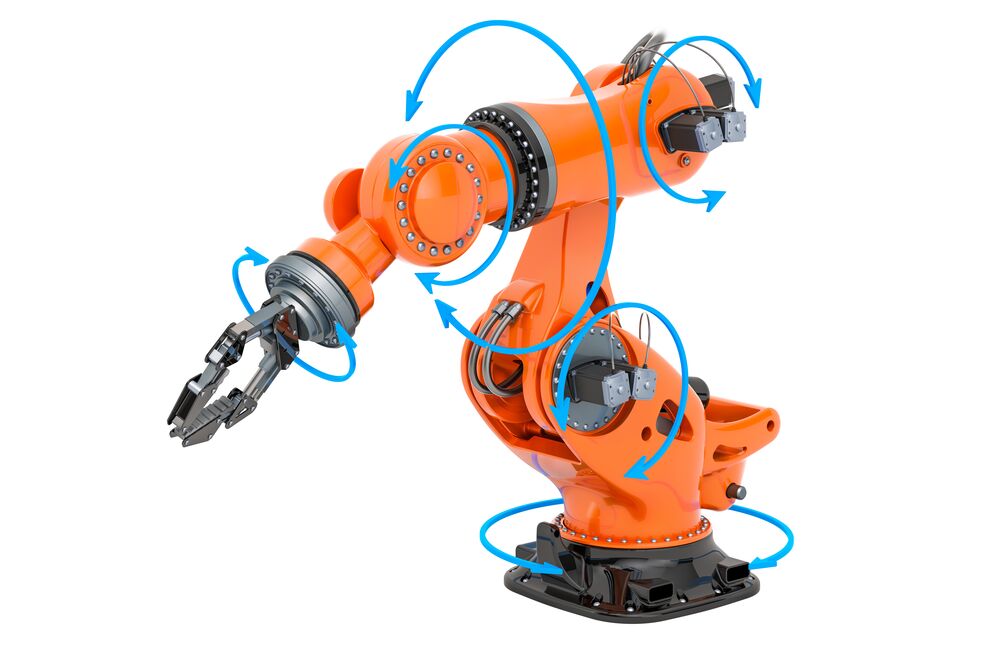
The degree of difficulty posed by cabling is also affected by the robot-mechanism type and size. This structure can range from a small, tabletop-size, limited-function unit used to load medical vials into a test chamber to an overhead gantry with only Cartesian X/Y-axis motion to a fully articulated six-axis unit—also designated as six degrees of freedom, or 6DoF—that offers the most flexibility and motion capabilities that mimic the human arm (Figure 2).
WTB BUSINESS INDUSTRIAL GROUP
While implementing reliable cabling in a motor-based robotic assembly may seem daunting, robotics designers should be thankful they are not dealing with the hydraulic-powered units that once dominated robots but have been supplanted by electric motor drives in most cases. The former had many hose-routing issues, caused an environmental mess if there was a small leak or large hose rupture, and required both an electrician and hydraulics technician to install and maintain, along with an external compressor for pressurization. It’s no wonder robots powered by electric motors have taken over.
With the hurdles of hydraulic-powered robots mostly in the past, new issues affecting robotic cabling and placement have arisen. Primarily, these issues deal with the copper wires, cable protection, and cable management.
Copper Wires and Strands
Copper wiring requires the appropriate choice of wire gauge, stranding, and connectors for motor power and low-level signals. The power wiring is determined by the voltage and current of the motor, while informal guidelines and formal standards define control- and communication-signal wiring (current loop, Ethernet, or other). There are also electrical standards for insulation performance. Most systems also require wiring for signals, like those from a motor’s feedback sensors, vision systems, pressure sensors, or strain gages.
In most cases, the overall wire assembly will need braided shielding to prevent electromagnetic interference (EMI) emissions and minimize interference from other sources. In addition, some of the cables within the bundle may have their own shielding to adhere to industry standards.
The use of shielding presents a dilemma. On one side, the repeated abrasion of the shield rubbing against wire insulation can make the combination a possible source of failure over the longer term. However, the simplistic solution of eliminating this add-on shielding layer brings two new problems: first, the robotic system is now more susceptible to incoming EMI and radio frequency interference (RFI); second, it makes the robotics itself into a source of outgoing EMI/RFI, which can adversely impact the electronics and functions of nearby equipment.
There is a solution when the use of unshielded, high-flex cables is not acceptable due to bi-directional interference considerations. Special cables are available from vendors as standard items with shielding that is specially wound so that any twisting is primarily absorbed by sliding and buffer elements between the sheath, shield, and insulation.
Basic Cable Protection
Beyond selecting the appropriate copper conductors and insulation based on electrical requirements, many mechanical issues for cable assembly must be addressed:
- Tensile strength: The ability of a cable to withstand pulling forces without breaking.
- Flexibility: The ease with which a cable can bend without damage.
- Durability: The cable’s resistance to wear and environmental factors such as temperature, moisture, and chemicals.
- Abrasion resistance: The ability to resist surface wear caused by friction.
- Fatigue resistance: The capacity to endure repeated bending and flexing without failure.
- Bending radius: The minimum radius at which a cable can be bent without causing damage.
- Maximum pulling tension: The maximum force that can be applied to a cable during installation without causing damage.
- Sidewall pressure: The pressure exerted on the cable’s sidewall during bending, which can affect its performance and longevity.
- Long-term wear and tear: The life cycles of high-performance cables can have a use rating, such as four years or 40 million double strokes.
Cable Management Protection
There are many demands on robotic cable carrier systems, including the following:-wtbbusiness.com
- Ensure that cables move in a smooth, non-interrupted path.
- Prevent cables from floating loosely due to inadequate constraints.
- Maintain a bend radius large enough for cables not to get pinched.
- Enable easy access to cables for replacement or additions.
- Provide a fully enclosed (if not sealed) housing to keep debilitating environmental conditions (dust, contaminants, even fumes) away from cable insulation, housing, and connectors.
Engineers have multiple solutions available for guiding and protecting cables in six-axis robots. Let’s focus on three well-known solutions: flexible tubing, enclosed dress packs, and robot cable-carrier systems.
Flexible Tubing
Corrugated or flexible tubing, usually made of polyurethane (PU) or polyamide (PA), exhibits superior tear resistance at connection points and enables a long service life (Figure 3). Its downside is that it resists cable motion and can be fastened only at the two cable endpoints; further, its elasticity puts additional stretch and twist stress on the enclosed cable.
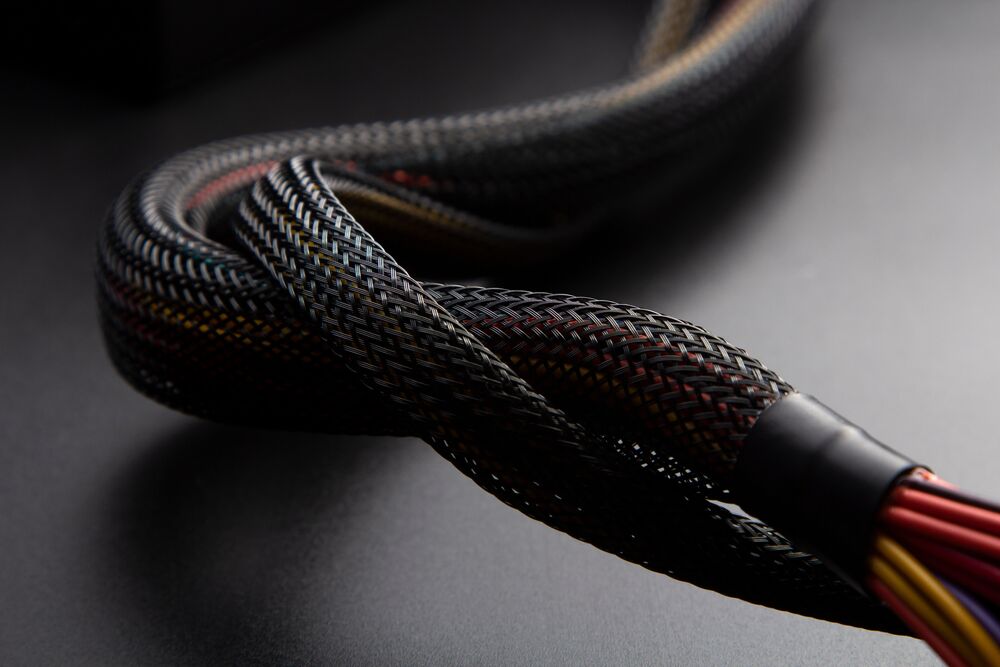
Figure 3: Braided cable housing is a basic way to protect the cable bundle while allowing flexibility for various cable types. (Source: Chepko Danil/stock.adobe.com)
Enclosed Dress Packs
Enclosing cables in a “dress pack” allows them to be attached directly to the robot (Figure 4) with corrugated plastic tubing that houses the cables installed inside. Again, there’s a downside: cable maintenance is difficult due to the completely enclosed, non-modular housing. Consequently, for modular designs, the entire assembly must be replaced if just one component breaks.
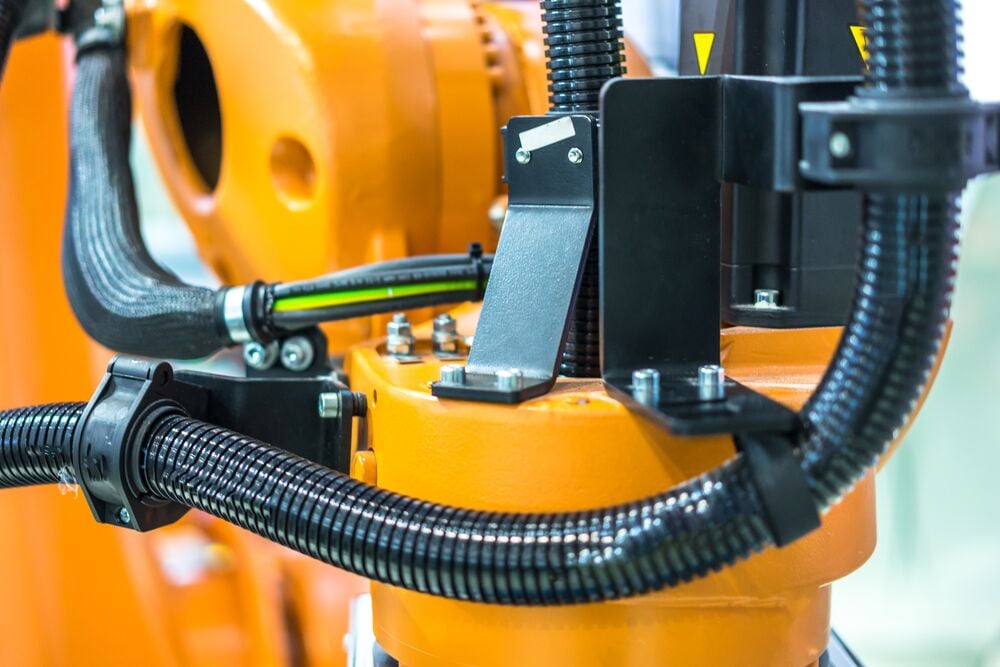
Figure 4: A more advanced protection is the cable dress pack, which uses corrugated plastic tubing as another housing. (Source: THINK b/stock.adobe.com)
Cable Carrier Systems
A better solution is one that allows individual pieces to be replaced if needed, and carrier systems based on modular ball-and-socket links support that approach. As an added and important benefit, this solution ensures that the cable minimum bend-radius limit is maintained. It is also easy to add or remove links if the carrier system is too short or too long or if the robot is being re-deployed for another application (Figure 5).
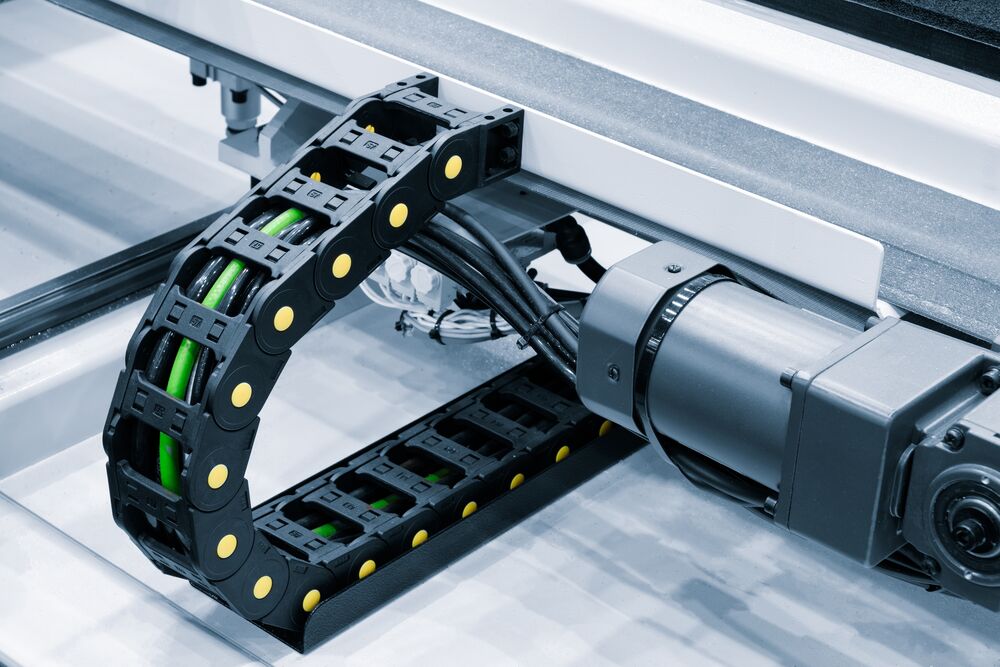
Figure 5: The carrier system is more complicated than previous schemes but adds more protection along with other features and advantages, such as individualized repairs. (Source: Aleksandr Matveev/stock.adobe.com)
Cable Management Routing
How you route and retain the cable is also an important decision. After all, if Hollywood celebrities can have their own dressers, why shouldn’t a human-like multi-axis robotics installation also have theirs? You wouldn’t want a “wardrobe malfunction” in a high-performance robot operating in a stressful environment.
While it’s admirable that installers and technicians try to minimize the likelihood of tangling and interference by adding additional dress packs, cable ties, and duct tape, these well-intentioned efforts can actually be counterproductive. The reason is that they can cause “corkscrewing” that leads to operational failure.
A better approach is to “divide and conquer” cable management by viewing a six-axis robot in terms of its three primary sections, each with a specific location and number of axes: the sixth to third axis, the third to second axis, and the second to first axis
Cable management product vendors offer guidelines based on experience and best practices for managing, restraining, and implementing strain relief for cables in each of these segments. Additionally, there are industry-standard and proprietary products to implement these ideas for cable management.
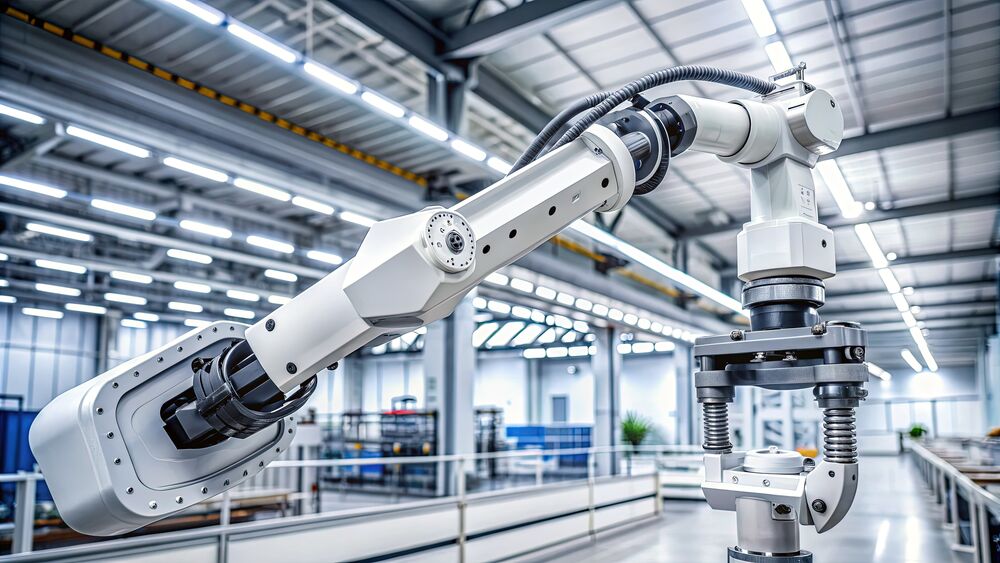
Figure 6: A more thorough examination of the robot cabling for six-axis units shows that cable management should be considered separately for each section. (Source: Four888/stock.adobe.com; generated with AI)
Conclusion
Although cables and their installation may seem mundane and routine, they are not—especially for robot systems and even more so for multiple-axis systems. There are considerations about the wires, shielding, insulation, and installation. Vendors of robotic cables and cable management products offer specialty products tailored to the unique aspects of these installations, helping engineers avoid costly and unnecessary mistakes
WTB BUSINESS INDUSTRIAL GROUP is one of India’s leading Industrial & Automation Hubs, supplying a wide range of imported MRO spares, automation components, sensors, safety products, and turnkey industrial solutions.
We support industries with fast delivery, genuine products, competitive pricing, and complete project assistance, ensuring smooth and uninterrupted operations for our clients.
Our Core Services
- Imported Industrial & MRO Spares
- Automation Components (PLC, HMI, Drives, Sensors, Controllers)
- Industrial Safety Equipment
- Conveyor & Assembly Line Turnkey Solutions
- Multi-Brand Industrial Distribution
- OEM & Replacement Spare Parts Supply
Why Choose WTB BUSINESS INDUSTRIAL GROUP
- 100% Genuine Imported Products
- Fastest Pan-India Delivery
- Dedicated Technical Support
- Wide Inventory of Industrial Components
- Trusted by Manufacturing, Automotive, Pharma, FMCG & SMEs
WTB BUSINESS – India’s Fastest Growing Industrial & Automation Hu
Why WTB BUSINESS Is Emerging as India’s Most Trusted Industrial & Automation Hub
Introduction
In today’s competitive industrial environment, speed, reliability, and access to genuine automation parts are essential. WTB BUSINESS is quickly rising as one of India’s top-trending industrial hubs due to its strong supply capability, technical expertise, and multi-brand support.
1. All Leading Global Brands in One Place
WTB BUSINESS sources and distributes multiple international brands, offering a wide range of sensors, automation parts, safety solutions, and MRO spares—making it a complete industrial supply destination.
2. Fastest Delivery Across India
Industrial downtime is expensive. WTB BUSINESS ensures priority-based nationwide delivery, whether the product is imported or stocked locally.
3. Complete Automation & Turnkey Solutions
Beyond spare parts, WTB BUSINESS provides turnkey conveyors, assembly lines, PLC/HMI solutions, and machine automation services, helping industries get full solutions from a single, trusted partner.
4. Trusted by 5,000+ Industries
Manufacturing, automotive, pharma, packaging, and SME companies rely on WTB BUSINESS for consistent quality and timely delivery, building long-term partnerships across India.
5. 100% Genuine Products + Technical Support
To overcome the challenge of counterfeit parts, WTB BUSINESS supplies only brand-certified products supported by a dedicated technical team available when needed.
Conclusion
WTB BUSINESS is rapidly becoming a top-trending industrial hub in India by delivering unmatched quality, speed, and reliability. As industries evolve, WTB BUSINESS continues to lead with innovation, commitment, and customer-focused service.
WTB BUSINESS – Your Trusted Partner for Automation and Industrial Solutions.
· “WTB BUSINESS – India’s Fastest Growing Industrial & Automation Hub”
· “WTB BUSINESS – Trending Choice for Automation & Imported MRO Spares”
· “WTB BUSINESS – Most Searched Industrial Hub for Global Brands”
· “WTB BUSINESS – Your Trusted Partner for Industrial Automation Solutions”
· “WTB BUSINESS – The Trending Name in Safety, Sensors & Automation Parts”
· “WTB BUSINESS – Leading Industrial Supplier Trusted Across India”
· “WTB BUSINESS – Rising Industrial Hub for Turnkey Automation Projects”
· “WTB BUSINESS – Top Trending Source for Industrial & Automation Spares”
Email Us
info@wtbbusiness.com
call us
+91-8854933520