
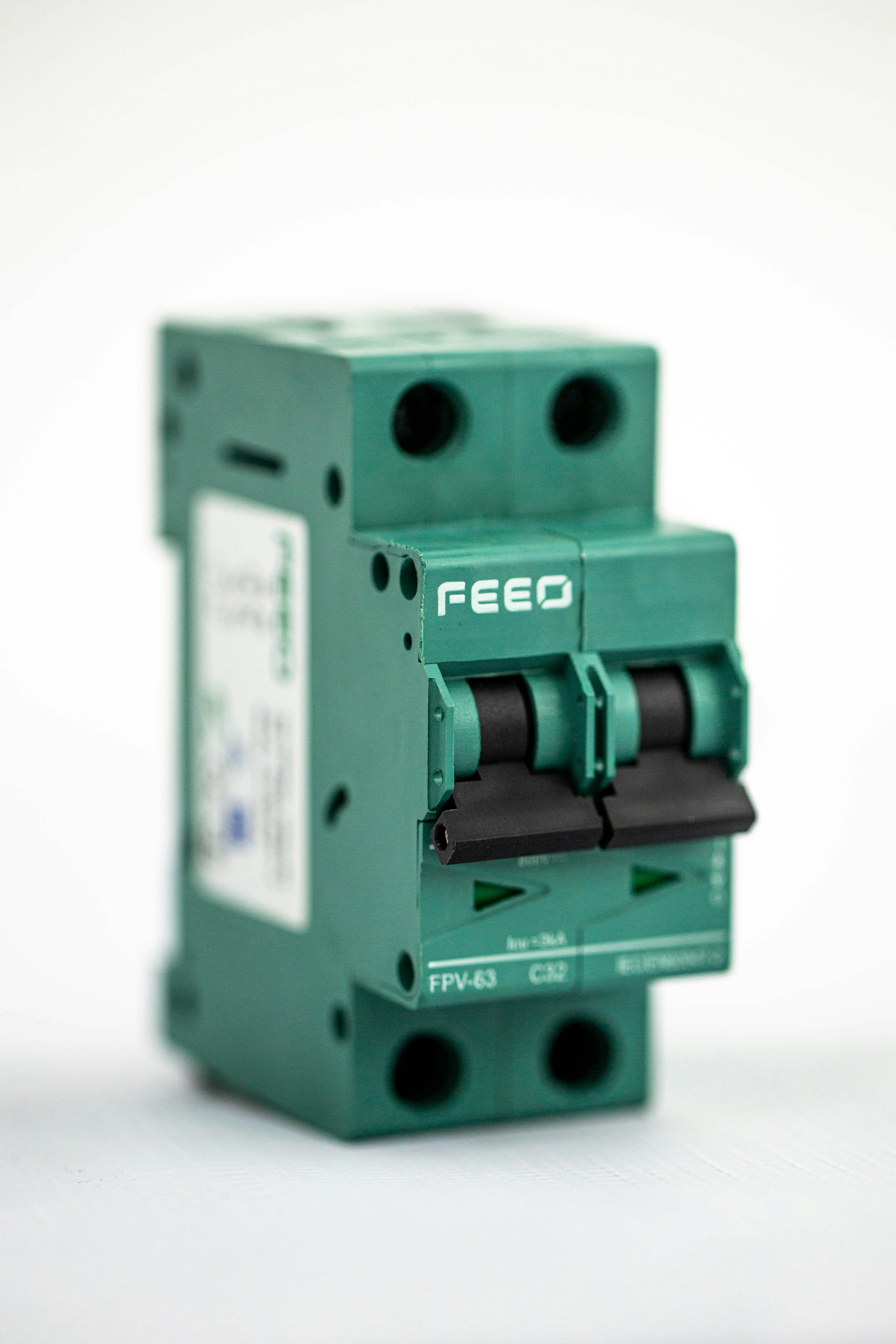
What is an MCCB?
A Molded Case Circuit Breaker (MCCB) is an essential electrical device designed to protect electrical circuits from overloads and short circuits. Unlike traditional fuses, MCCBs can be reset after tripping, making them a more convenient and sustainable option for circuit protection. They are commonly used in industrial and commercial applications where high electrical loads are present.
Types of MCCBs
MCCBs come in various types tailored to different applications. The primary classifications include:
- Thermal Magnetic MCCBs: These are the most common type, using both thermal and magnetic mechanisms for tripping. They offer reliable protection against overloads and short circuits.
- Electronic MCCBs: These utilize advanced electronic mechanisms to detect fault conditions. They provide precise tripping and can offer additional features such as monitoring and communication capabilities.
- Adjustable MCCBs: These allow users to customize the current rating, providing flexibility for various applications and load conditions.
How MCCBs Work
The operation of an MCCB hinges on its ability to detect abnormal electrical conditions. In the event of an overload, the thermal element heats up, bending a bi-metallic strip that triggers the mechanism to trip the circuit. For short circuits, the magnetic element responds rapidly, tripping the breaker almost instantaneously. This dual mechanism ensures that the circuit is protected effectively and efficiently.
In summary, understanding the types and working of MCCBs is crucial for anyone involved in electrical engineering or maintenance. Their reliability and resettable nature make them indispensable tools in modern electrical systems.